
Heat is one of the most common and costly threats to industrial equipment. From manufacturing plants to warehouses and processing facilities, machinery generates significant internal and external heat during operation. When this heat is not properly managed, it can lead to equipment malfunctions, reduced efficiency, product defects, and even complete system failures. Preventing heat-related issues is essential for maintaining production schedules, protecting valuable assets, and ensuring a safe working environment.
Industrial facilities must understand how heat affects equipment and what steps they can take to control temperatures before small issues escalate into major disruptions. Reliable climate control, proper maintenance, and the strategic use of temporary cooling can all play crucial roles in keeping operations running smoothly.
Why Excess Heat Is Dangerous for Industrial Equipment
Industrial machinery is designed to operate within certain temperature limits. When internal components exceed those limits, their performance begins to decline. Motors slow down, lubricants break down, electronics become unstable, and sensitive sensors may fail entirely.
Excess heat can also cause physical damage. Metal components expand, belts wear out faster, bearings dry out, and electrical panels risk overheating. Over time, these conditions can result in premature failure and costly repairs.
Even brief exposure to elevated temperatures can reduce equipment life span. In facilities where production runs continuously, even minor temperature spikes can lead to expensive downtime that impacts output and puts deadlines at risk.
Heat Buildup in Industrial Environments
Heat accumulation is common in industrial settings due to machinery output, inadequate ventilation, and high external temperatures. Equipment like compressors, welders, ovens, hydraulic machines, and motor-driven tools produce heat as a byproduct of operation. When several machines run at the same time in a confined space, the temperature can rise rapidly.
Some facilities, especially manufacturing plants and processing centers, also use equipment that generates radiant heat. This raises the ambient temperature and creates hot zones where equipment is more vulnerable to failure.
Seasonal heat waves can make the situation worse, pushing HVAC systems beyond their design limits. When the building’s permanent cooling system cannot keep up with demand, temporary cooling may be necessary to maintain safe operating temperatures.
The Role of Climate Control in Equipment Protection
Effective climate control is one of the most important defenses against heat-related failures. Industrial cooling systems help regulate the temperature around machinery, keeping it within safe operating limits. Air handlers improve airflow across equipment, preventing stagnant, superheated pockets of air. Spot cooling systems can be directed at specific machines that generate excessive heat or are sensitive to temperature fluctuations.
Maintaining proper humidity is also important. High humidity can cause condensation inside electrical panels or electronic components, increasing the risk of short circuits or corrosion. Climate control helps stabilize both temperature and humidity, protecting equipment from environmental stress.
Facilities that rely on temporary cooling during peak production or extreme weather conditions can maintain reliable operation even when their permanent systems are under strain. This supplemental cooling prevents heat-related shutdowns and supports higher output without risking equipment damage.
Identifying Early Warning Signs
Recognizing the early signs of heat-related stress can prevent catastrophic failures. Common indicators include unusual machine noises, reduced efficiency, frequent overheating alarms, inconsistent product quality, and unexpected shutdowns. Electrical components may emit a burning smell or show signs of discoloration, while belts or gears may wear out faster than normal.
Monitoring systems can provide real-time data on temperature and performance. Infrared cameras, thermal sensors, and automated alerts help maintenance teams take action before heat becomes a serious problem.
Using Temporary Cooling to Prevent Failures
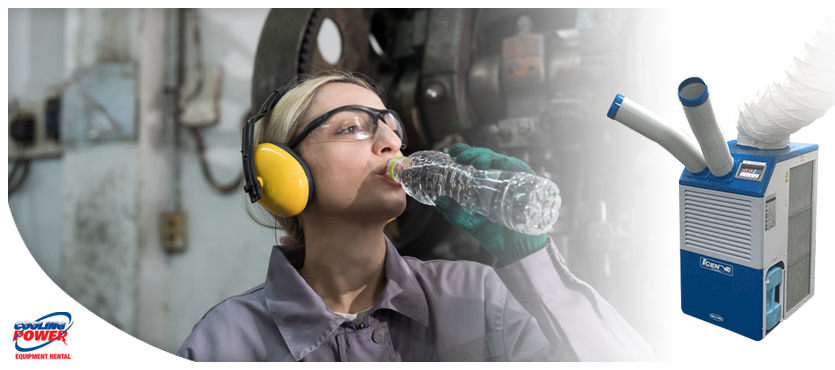
Temporary cooling solutions are an effective way to control heat in environments where permanent systems are insufficient. Portable air conditioners, air handlers, and spot coolers can be deployed quickly to manage hot zones or support critical machinery. These units are especially useful during seasonal heat spikes, production surges, or planned HVAC maintenance.
Temporary cooling also offers flexibility. Facilities can adjust the placement and capacity of units as needed, ensuring targeted cooling exactly where equipment is most vulnerable. This reduces energy waste and helps maintain optimal performance even in challenging conditions.
Protecting Equipment Through Smart Temperature Control
Preventing heat-related equipment failures requires a proactive approach that combines proper climate control, regular monitoring, and timely cooling support. By managing both ambient temperatures and machine-specific heat loads, industrial facilities can reduce downtime, extend equipment life, and maintain consistent productivity.
Cooling Power Corp provides temporary cooling solutions that help facilities protect valuable equipment, manage heat-related risks, and maintain safe operating conditions during demanding periods. To learn more about available cooling options or to request support, visit the contact page at Cooling Power Corp.