
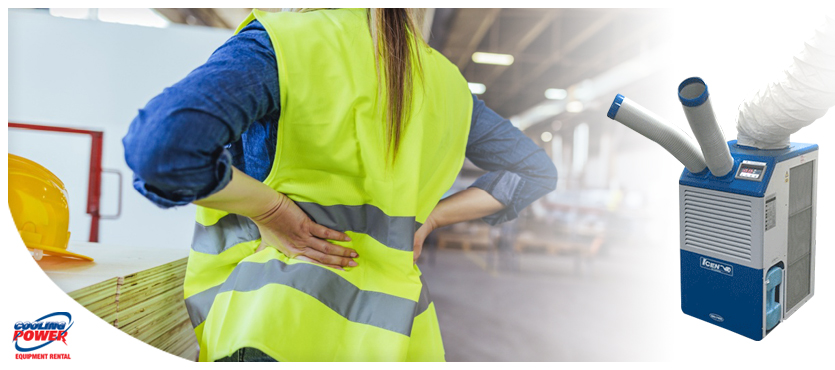
Heat stress is a serious concern in industrial work environments, especially during warmer months or in facilities where heavy machinery generates constant heat. Manufacturing plants, warehouses, construction sites, and processing facilities often expose workers to elevated temperatures that can affect both safety and productivity. Managing heat stress is not only a health priority but also a key operational responsibility for employers.
Without proper temperature control and ventilation, industrial environments can quickly become hazardous. Understanding the risks and implementing effective cooling strategies helps protect employees, reduce downtime, and maintain compliance with workplace safety standards.
Understanding Heat Stress and Its Impact
Heat stress occurs when the body is unable to regulate its internal temperature due to excessive heat exposure. In industrial settings, this can happen when workers perform physically demanding tasks in high-temperature environments, especially if humidity levels are also elevated.
Symptoms of heat stress range from mild fatigue and dehydration to more serious conditions such as heat exhaustion or heat stroke. These conditions can impair judgment, slow reaction times, and increase the likelihood of workplace accidents. In severe cases, untreated heat stroke can become life-threatening.
Beyond individual health risks, heat stress can significantly impact overall facility performance. When employees struggle with heat-related fatigue, productivity declines, error rates increase, and absenteeism may rise.
Common Sources of Heat in Industrial Facilities
Industrial environments often contain multiple heat sources. Heavy machinery, welding equipment, furnaces, compressors, and production lines all generate substantial heat during operation. In large warehouses or manufacturing plants, limited airflow and high ceilings can trap warm air, creating uneven temperature distribution.
Open loading docks and metal building structures can further amplify heat during summer months. Even facilities with permanent HVAC systems may struggle to maintain consistent temperatures when production levels increase or outdoor temperatures spike.
Strategies for Reducing Heat Stress
Managing heat stress requires a combination of environmental control, operational planning, and employee support. Increasing airflow is one of the most effective ways to reduce heat buildup. Industrial fans and air handlers help circulate air and prevent hot spots from forming in concentrated areas.
Providing supplemental cooling through portable air conditioning or spot cooling units can significantly lower ambient temperatures. These temporary systems can be strategically placed near high-heat equipment or heavily occupied work zones to deliver targeted relief.
Hydration stations, scheduled rest breaks, and shaded or cooled break areas also support worker health. Clear heat safety protocols and employee training ensure that workers recognize symptoms early and take appropriate action.
The Role of Temporary Cooling in Industrial Settings
Temporary cooling solutions play a critical role in managing heat stress, particularly during peak production periods or extreme weather conditions. Portable air conditioners, air handlers, and spot cooling units can be deployed quickly to support facilities where permanent systems are insufficient.
These systems provide flexibility, allowing managers to adjust cooling coverage as operational needs change. During seasonal demand surges or planned HVAC maintenance, temporary cooling ensures that safe working conditions are maintained without interrupting production.
By relieving strain on permanent HVAC systems, supplemental cooling also reduces the risk of mechanical failure during the hottest times of the year.
Supporting Compliance and Workplace Safety
Employers have a responsibility to provide safe working conditions under occupational safety guidelines. Heat-related illnesses can lead to regulatory scrutiny, worker compensation claims, and operational disruptions.
Implementing proactive cooling strategies demonstrates a commitment to employee well-being and regulatory compliance. Facilities that monitor indoor temperatures and respond quickly to rising heat levels are better positioned to maintain safe operations.
Creating Safer, Cooler Work Environments
Managing heat stress in industrial work environments is essential for protecting employees and sustaining productivity. By combining airflow improvements, targeted cooling, and safety protocols, facilities can reduce health risks and maintain efficient operations even during extreme heat.
Cooling Power Corp provides temporary cooling solutions that help industrial facilities maintain safe and comfortable working conditions. To learn more about equipment options designed to manage heat stress, contact our team here.