
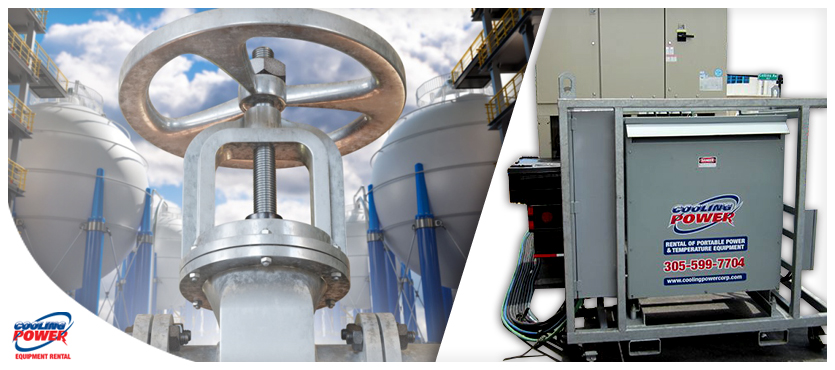
Equipment downtime is one of the most expensive and disruptive problems industrial facilities can face. While the immediate impact of a machine failure may seem obvious, the true cost of downtime often extends far beyond repair expenses. Lost productivity, delayed schedules, damaged inventory, labor inefficiencies, and customer dissatisfaction can all create long-term financial and operational consequences.
For manufacturing plants, warehouses, processing facilities, and industrial operations, minimizing downtime is essential for maintaining profitability and operational stability. Understanding the hidden costs associated with equipment failure helps businesses take proactive steps to reduce risk and improve resilience.
Lost Production and Revenue
One of the most immediate effects of equipment downtime is lost production. When critical machinery stops working, entire production lines may slow down or shut down completely. Every minute of inactivity reduces output and limits the facility’s ability to meet deadlines or fulfill customer orders.
For facilities operating on tight production schedules, even a short interruption can create a backlog that takes days to recover from. Missed shipments, delayed projects, and reduced throughput can all impact revenue and strain relationships with customers.
In industries with continuous operations, downtime can become especially costly because production losses continue to accumulate until systems are restored.
Increased Labor Costs
Equipment downtime often creates labor inefficiencies that are not immediately obvious. Employees may remain on the clock while waiting for repairs, unable to complete their normal tasks. In some cases, facilities must pay overtime later to recover lost production time and catch up on delayed work.
Maintenance teams may also need to respond urgently, pulling resources away from other preventive tasks to focus on emergency repairs. This reactive approach can increase labor expenses and reduce overall operational efficiency.
When downtime becomes frequent, employee morale can also suffer. Repeated disruptions create frustration, reduce productivity, and make it more difficult for teams to maintain consistent performance.
Damage to Equipment and Inventory
Equipment failures rarely occur in isolation. When one system overheats or shuts down unexpectedly, connected machinery may also be affected. Heat buildup, power fluctuations, or improper shutdown procedures can place additional stress on surrounding equipment, increasing the likelihood of further damage.
Downtime can also impact inventory and materials. In temperature-sensitive environments, cooling failures may spoil products or damage raw materials. Manufacturing defects can occur if equipment operates outside acceptable conditions, leading to waste and rework.
These secondary losses are often overlooked but can significantly increase the true financial impact of downtime.
Disruptions to Supply Chains and Customer Relationships
Industrial facilities are often part of larger supply chains where timing is critical. Delays caused by equipment downtime can affect suppliers, distributors, and customers who depend on consistent delivery schedules.
Missed deadlines may result in penalties, canceled contracts, or lost business opportunities. Customers who experience repeated delays may begin looking for more reliable suppliers, creating long-term reputational damage that extends beyond the immediate outage.
Maintaining operational continuity is essential for protecting customer trust and preserving competitive advantage.
Safety and Compliance Risks
Equipment failures can also create safety concerns within industrial facilities. Overheating systems, ventilation failures, or unexpected shutdowns may expose workers to hazardous conditions or increase the risk of accidents.
In regulated industries, downtime may trigger compliance issues if facilities cannot maintain required environmental conditions or operational standards. This can lead to inspections, fines, or temporary shutdowns that add even more cost to the disruption.
Taking preventive measures to avoid downtime helps reduce both operational and regulatory risk.
The Role of Temporary Solutions in Preventing Downtime
Temporary power and cooling solutions can help facilities minimize the impact of equipment failures and planned maintenance. Portable generators, chillers, air handlers, and spot cooling systems provide immediate support when permanent systems fail or become overloaded.
These temporary systems allow operations to continue while repairs are completed, reducing lost production time and protecting critical equipment. Facilities can also use temporary cooling during peak production periods when existing HVAC systems may struggle to keep up with demand.
By maintaining stable operating conditions, temporary solutions help businesses avoid many of the hidden costs associated with downtime.
Proactive Planning Reduces Long-Term Costs
The most effective way to reduce downtime costs is through proactive planning. Preventive maintenance, system monitoring, and contingency plans all help facilities respond more quickly when problems occur.
Businesses that establish relationships with temporary equipment providers before emergencies happen are often able to recover faster and minimize operational disruption. Planning ahead allows facilities to respond strategically instead of reacting under pressure.
Downtime Costs More Than Most Businesses Realize
The hidden costs of equipment downtime extend far beyond repair bills. Lost production, labor inefficiencies, inventory damage, safety risks, and customer disruptions can all create significant financial consequences for industrial facilities.
Cooling Power Corp provides temporary power and cooling solutions that help businesses maintain operations during unexpected equipment failures and critical maintenance periods. To learn more about reducing downtime risks and protecting your facility, contact our team here.