
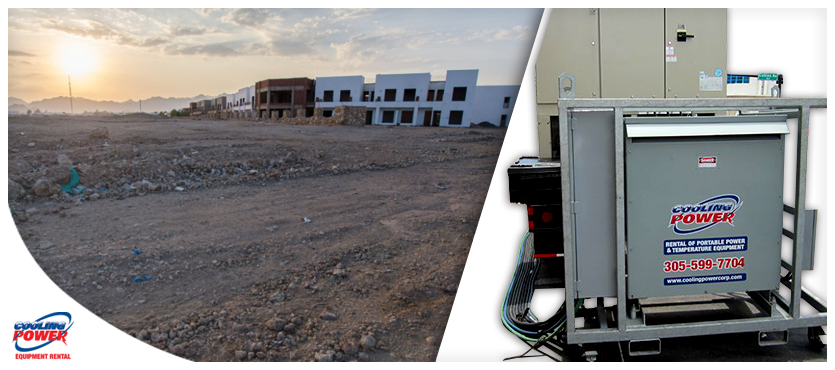
Construction projects do not always take place in areas where reliable utility power is readily available. Many projects occur in remote locations, newly developed areas, or job sites where infrastructure has not yet been fully established. In these situations, temporary power solutions play a critical role in keeping construction activities moving forward. From powering heavy equipment to supporting lighting and safety systems, portable power sources allow crews to work efficiently even when the electrical grid is unavailable.
Temporary power solutions provide the flexibility and reliability needed to maintain productivity on challenging job sites. By delivering electricity where and when it is needed, these systems help construction teams stay on schedule, maintain safety standards, and ensure that critical equipment can operate without interruption.
The Power Challenges of Remote Construction Sites
Remote construction sites present unique challenges when it comes to accessing electricity. Unlike urban projects that can easily connect to existing electrical infrastructure, remote sites may be miles away from the nearest power source. In many cases, the local utility grid simply does not reach the project location yet.
Even when utility connections are planned, they often take weeks or months to establish. Construction cannot pause while waiting for permanent power installation, so contractors rely on temporary power systems to bridge the gap. These systems provide an immediate source of electricity that can support everything from power tools and machinery to site offices and worker accommodations.
Weather conditions, terrain, and project timelines can also complicate power access. Mountainous regions, rural developments, and large infrastructure projects such as highways or pipelines frequently require mobile power systems that can be deployed quickly and relocated as the project progresses.
Powering Essential Construction Equipment
Construction equipment requires significant electrical capacity to operate effectively. Tools such as compressors, welders, pumps, and cutting equipment depend on consistent power to perform safely and efficiently. Temporary generators and power distribution equipment ensure that crews can operate these tools regardless of the job site’s location.
Lighting systems are another critical component of construction operations. Many projects run long hours or continue after sunset, particularly during tight deadlines. Temporary power systems support portable lighting towers and work lights, allowing crews to maintain visibility and safety during evening or overnight shifts.
Temporary power also supports administrative functions on the job site. Construction trailers, mobile offices, and communication systems all require electricity to operate computers, monitoring equipment, and communication devices that help project managers coordinate work effectively.
Supporting Safety and Compliance on the Job Site
Safety is a top priority on any construction site, and reliable electricity plays an important role in maintaining safe working conditions. Temporary power systems support safety lighting, alarm systems, and monitoring equipment that help prevent accidents and protect workers.
Properly installed power distribution systems ensure that electricity is delivered safely across the job site. Distribution panels, transformers, and cabling allow contractors to route power to multiple areas without overloading circuits or creating hazardous conditions.
In addition, many construction projects must meet regulatory requirements related to electrical safety and job site operations. Using properly configured temporary power equipment helps contractors maintain compliance with safety standards while ensuring that workers have access to the electricity needed to perform their tasks.
Flexibility for Changing Job Site Needs
Construction projects are constantly evolving. As work progresses from one phase to another, the power requirements of the site can change dramatically. Temporary power systems offer the flexibility needed to adapt to these shifting demands.
Portable generators and distribution equipment can be relocated easily as the project expands or moves to new areas. This mobility allows contractors to adjust power availability as different parts of the site become active. For example, early phases of construction may require power primarily for surveying equipment and small tools, while later stages may involve larger machinery and additional lighting.
Temporary power solutions also allow contractors to scale their electrical capacity as needed. Additional generators or distribution units can be brought in to support increased power demands during peak construction periods.
Maintaining Productivity and Project Timelines
Construction schedules are often tightly planned, with multiple teams working simultaneously to meet deadlines. Any disruption to power availability can slow progress and create costly delays. Temporary power solutions help prevent these interruptions by providing dependable electricity throughout the life of the project.
When crews have reliable power for their equipment and tools, they can work more efficiently and complete tasks according to schedule. This reliability is especially important for projects located far from existing infrastructure, where access to electricity cannot be taken for granted.
Temporary power systems also support emergency situations. If a generator fails or additional capacity is needed unexpectedly, backup equipment can be deployed quickly to keep the project moving forward.
Powering Construction Progress
Remote construction projects depend on reliable electricity to support equipment, lighting, communication systems, and safety infrastructure. Temporary power solutions make it possible for contractors to bring energy directly to the job site, ensuring that work can continue even in locations far from the electrical grid.
By providing flexible and scalable power, these systems help construction teams maintain productivity, protect workers, and keep projects on schedule. Whether powering heavy machinery or supporting temporary offices, mobile power equipment plays an essential role in modern construction operations.
For contractors working in remote environments, dependable temporary power can make the difference between costly delays and smooth project execution. To learn more about temporary power solutions and available equipment options, you can contact Cooling Power Corp to discuss the needs of your next project.