
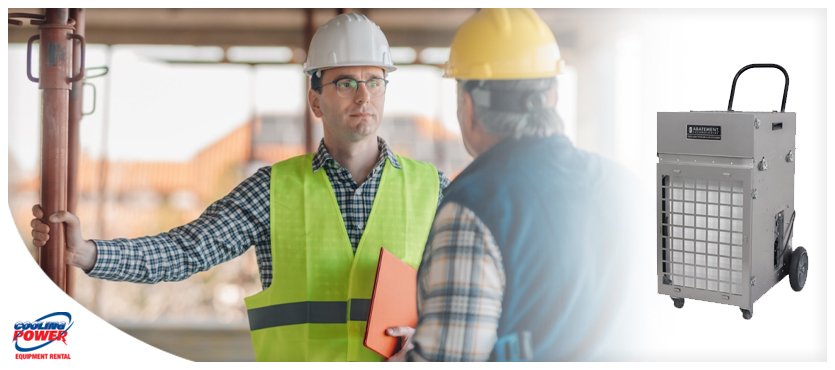
Large-scale renovation projects are essential for updating facilities, improving efficiency, and extending the life of commercial and industrial buildings. However, these projects often introduce serious indoor air quality challenges that can impact workers, occupants, and nearby operations. Dust, debris, chemical fumes, and airborne contaminants are common during renovations, making proper air quality management a critical part of any successful project.
Maintaining indoor air quality during renovations is not only about comfort. It plays a vital role in protecting health, ensuring regulatory compliance, and preventing delays that can increase costs and disrupt schedules.
Why Renovation Projects Create Air Quality Risks
Renovation activities such as demolition, drywall installation, sanding, painting, and flooring removal release large amounts of airborne particles. These particles often include fine dust, silica, mold spores, and volatile organic compounds released from adhesives, paints, and sealants.
In occupied buildings, these contaminants can easily spread beyond the work zone if not properly controlled. This puts employees, visitors, and residents at risk of respiratory irritation, allergic reactions, and other health concerns. Poor air quality can also trigger complaints, halt work, or lead to failed inspections.
The Importance of Containment and Airflow Control
One of the most effective ways to manage air quality during renovations is through proper containment and controlled airflow. Sealing off work areas prevents contaminants from migrating into clean spaces, while controlled ventilation ensures that airborne particles are captured and removed.
Negative air pressure plays a key role in this process. By drawing air into the renovation zone and filtering it before exhausting it, contaminants are kept from escaping into occupied areas. This strategy is especially important in healthcare facilities, office buildings, schools, and retail spaces where normal operations may continue during construction.
How Air Filtration Supports Safer Renovation Environments
Air filtration systems help remove harmful particles from the air before they spread throughout the facility. High-efficiency filtration is particularly effective at capturing fine dust and microscopic contaminants that standard ventilation systems may not handle well.
By continuously filtering the air, these systems improve visibility, reduce cleanup requirements, and help maintain healthier working conditions. They also support compliance with safety regulations related to dust exposure and indoor air quality standards.
Proper air filtration can also protect existing HVAC systems. Without supplemental filtration, renovation dust can be pulled into ductwork, leading to long-term contamination and expensive cleaning or repairs.
Protecting Occupants and Workers
Renovations often take place in buildings that remain partially occupied. Office staff, patients, customers, and residents may all be present while work is underway. Poor indoor air quality can cause discomfort, health issues, and lost productivity for these occupants.
Construction workers are also at risk. Prolonged exposure to airborne contaminants can result in respiratory problems, fatigue, and reduced job performance. Maintaining clean air helps protect workers, improves morale, and reduces the likelihood of job site incidents or workers’ compensation claims.
Supporting Compliance and Project Timelines
Indoor air quality regulations vary by industry, but many projects must meet OSHA guidelines and local health requirements. Failure to control dust and airborne contaminants can result in citations, stop-work orders, or delays that push projects over budget.
Air quality management supports smoother inspections and allows renovation work to continue without interruptions. By addressing air concerns proactively, project managers can reduce conflicts with building occupants and ensure renovation timelines stay on track.
The Role of Temporary Air Quality Solutions
Temporary air filtration and ventilation solutions provide flexibility during large-scale renovations. These systems can be deployed quickly, adjusted as work progresses, and removed once the project is complete. This approach avoids permanent modifications while still delivering effective air quality control.
Temporary solutions are especially useful during high-dust phases of a project or when working in older buildings where hazardous materials may be present. They offer a practical way to adapt to changing conditions without compromising safety.
Cleaner Air for Successful Renovations
Maintaining indoor air quality during large-scale renovation projects is essential for protecting health, maintaining compliance, and keeping work on schedule. Effective containment, airflow control, and air filtration help reduce risk and create safer environments for both workers and occupants.
Cooling Power Corp provides temporary air quality solutions that support renovation projects in commercial, industrial, and occupied facilities. To learn more about how to manage air quality during your next renovation, contact our team here.