
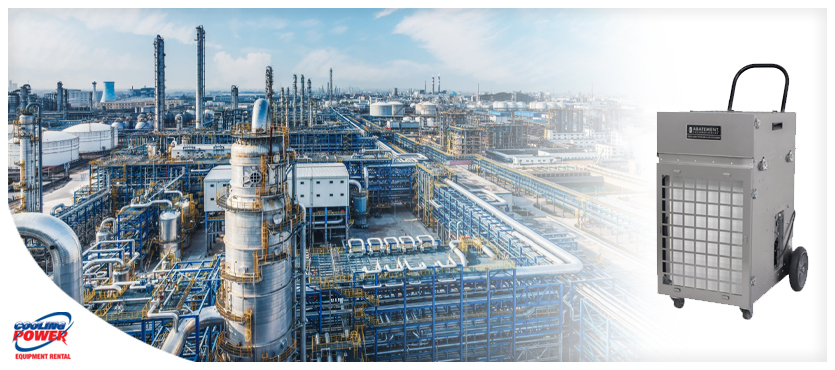
Industrial maintenance projects are essential for keeping facilities efficient, safe, and operational. Whether a plant is undergoing equipment repairs, system upgrades, shutdown maintenance, or renovation work, these projects often create significant air quality challenges. Dust, debris, fumes, and airborne particles can spread quickly throughout a facility, affecting workers, equipment, and nearby operations. Portable air filtration systems provide an effective solution for controlling these contaminants and maintaining a safer work environment during maintenance activities.
By improving indoor air quality and helping facilities maintain compliance, portable air filtration has become an important part of modern industrial maintenance planning.
Why Industrial Maintenance Impacts Air Quality
Maintenance work often involves cutting, grinding, welding, sanding, demolition, or equipment cleaning. These activities release fine particles and airborne contaminants into the environment. In enclosed industrial facilities, contaminants can accumulate rapidly if airflow and filtration are not properly managed.
Dust generated during maintenance can spread far beyond the immediate work area, settling on machinery, electrical systems, and finished products. Fumes and airborne particles may also create respiratory hazards for workers or interfere with nearby operations.
In some facilities, maintenance projects occur while portions of the building remain operational. In these situations, controlling air quality becomes even more important to protect employees, maintain cleanliness, and avoid disruptions to production.
Improving Worker Safety During Maintenance Activities
Worker safety is one of the primary benefits of portable air filtration. Airborne contaminants can create serious health risks, particularly during projects that involve dust-producing materials or chemical fumes. Prolonged exposure to these particles may contribute to respiratory irritation, fatigue, or long-term health complications.
Portable air filtration systems help capture contaminants directly from the air before they spread throughout the facility. By improving ventilation and reducing airborne particle levels, these systems create a safer environment for maintenance crews and nearby employees.
Cleaner air can also improve visibility in active work areas, reducing the likelihood of accidents and helping workers perform tasks more efficiently.
Supporting Regulatory Compliance
Industrial facilities must often comply with workplace air quality standards and safety regulations during maintenance projects. OSHA guidelines and industry-specific standards may require facilities to manage dust exposure and maintain safe indoor air conditions.
Portable air filtration systems help facilities meet these requirements by reducing airborne contaminants and improving airflow within work zones. Maintaining proper filtration and ventilation demonstrates a proactive commitment to workplace safety and environmental control.
Failure to manage air quality properly can result in citations, project delays, or increased liability. Using portable filtration equipment helps reduce these risks while supporting smoother inspections and compliance efforts.
Protecting Equipment and Sensitive Areas
Airborne dust and debris do not only affect workers. Sensitive equipment, control panels, and ventilation systems can also be impacted during maintenance projects. Dust accumulation inside machinery or electrical components may increase wear, reduce efficiency, or contribute to system failures.
Portable air filtration helps prevent contaminants from spreading into clean or sensitive areas of the facility. This is especially important in environments such as manufacturing plants, processing facilities, laboratories, or data centers where equipment reliability is critical.
Maintaining cleaner air during maintenance also reduces cleanup requirements once the project is complete, helping facilities return to normal operations more quickly.
Flexibility for Different Project Types
One of the biggest advantages of portable air filtration is flexibility. These systems can be deployed quickly and positioned wherever they are needed most. As maintenance work progresses, units can be relocated to support changing project conditions.
Portable filtration systems are also available in different sizes and configurations depending on the scale of the project. Facilities can add supplemental filtration during larger shutdowns or use targeted filtration in specific work zones without modifying permanent HVAC infrastructure.
This adaptability makes portable systems ideal for short-term maintenance projects, emergency repairs, and planned facility upgrades.
Maintaining Productivity During Ongoing Operations
Many industrial facilities cannot afford to shut down completely during maintenance. Portions of the building may continue operating while work is being completed in another area. In these cases, controlling airborne contaminants becomes essential for maintaining productivity.
Portable air filtration helps isolate work zones and improve overall air quality, allowing nearby operations to continue with minimal disruption. Employees working outside the maintenance area are less likely to be affected by dust, odors, or reduced air quality, helping facilities maintain consistent output throughout the project.
Cleaner Air Supports Safer Maintenance Projects
Portable air filtration plays a critical role in improving safety, protecting equipment, and maintaining compliance during industrial maintenance projects. By controlling airborne contaminants and supporting cleaner work environments, these systems help facilities complete maintenance tasks more efficiently while reducing operational risk.
Cooling Power Corp provides portable air filtration solutions designed to support industrial facilities during shutdowns, repairs, renovations, and maintenance projects. To learn more about improving air quality during your next maintenance project, contact our team here.