
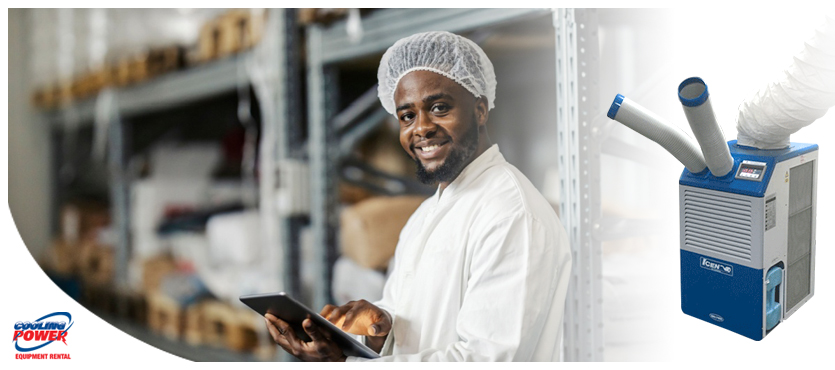
Maintaining proper climate control is one of the most important requirements in food storage and processing environments. Temperature, humidity, and air quality all directly influence food safety, product quality, and regulatory compliance. When conditions shift even slightly outside acceptable ranges, food products can spoil, equipment can malfunction, and production can come to a halt. For these reasons, climate control systems play a critical role in keeping operations consistent, safe, and efficient.
Food storage facilities, cold rooms, distribution centers, and processing plants rely on dependable cooling and air management to maintain strict environmental standards. Understanding the importance of these systems can help businesses protect inventory, reduce waste, increase productivity, and stay compliant with local and federal regulations.
Why Temperature Control Matters
Temperature is one of the most powerful factors in preserving food quality. Many ingredients and finished products must be stored within narrow temperature ranges to prevent bacterial growth and spoilage. In cold storage environments, even a minor rise in temperature can compromise safety and cause thousands of dollars in product loss.
In processing facilities, temperature control also stabilizes equipment performance. Machinery used in food preparation, packaging, and production generates heat, which can affect product consistency. Maintaining the right temperature ensures that food cools properly and that production lines run smoothly.
Temperature fluctuations also reduce shelf life, increase waste, and add unnecessary costs to operations. With effective cooling systems in place, businesses can prevent these issues and maintain high standards of quality.
The Role of Humidity Control
Humidity plays a major role in food storage and processing. Too much moisture can cause mold, bacterial growth, and condensation on equipment. Too little humidity can cause products to dry out, shrink, or lose texture. Different types of food require different humidity levels, which means proper control is essential.
In cold storage spaces, excessive humidity can lead to frost buildup on equipment and packaging. This not only affects product quality but also reduces energy efficiency and increases operational costs. In processing plants, poor humidity control can make sanitation more difficult and create unsafe working conditions.
Managing humidity is also important for preventing corrosion in machinery and metal structures. By keeping humidity levels stable, facilities can protect their equipment and improve longevity while maintaining product integrity.
Air Quality and Filtration Requirements
Air quality in food facilities has a direct impact on safety and sanitation. Airborne contaminants such as dust, bacteria, mold spores, and odors must be controlled to avoid cross contamination. Proper ventilation and filtration help maintain a clean environment and reduce the risk of product exposure.
Air handlers and filtration systems help circulate clean, conditioned air throughout storage and processing areas. These systems remove impurities and maintain consistent airflow, which supports both temperature and humidity control.
In food processing plants, air quality also impacts employee comfort and safety. Workers exposed to high heat, moisture, or poorly filtered air may experience fatigue or health issues, which can affect productivity and compliance with workplace regulations.
Operational Efficiency and Equipment Protection
Climate control systems play a key role in keeping equipment running efficiently. Heat, humidity, and poor ventilation all place stress on machinery. When equipment overheats or becomes clogged with condensation or debris, failures and delays become more likely.
Cooling systems and air handlers help protect equipment during peak production periods or during hot weather when indoor temperatures rise. Stable environmental conditions reduce downtime, prevent breakdowns, and allow production lines to continue operating without interruption.
In addition, climate control can reduce energy consumption when systems are sized and used correctly. Facilities that rely on temporary cooling during high-demand seasons or planned maintenance can maintain operation without overloading permanent systems.
Supporting Compliance and Food Safety Standards
Food storage and processing facilities must follow strict safety regulations set by organizations such as the FDA, USDA, and local health authorities. Temperature logs, sanitation protocols, and environmental controls all play a part in meeting these standards.
If environmental conditions are not properly controlled, products can become unsafe and facilities may face fines, shutdowns, or recalls. Effective climate control systems help businesses maintain compliance, pass inspections, and provide safe food products to consumers.
Having reliable cooling and air management also supports traceability and documentation, which are required for audits and regulatory reporting.
Climate Control Protects Products, People, and Operations
Climate control in food storage and processing facilities is essential for maintaining product quality, protecting equipment, ensuring employee safety, and meeting regulatory requirements. Proper temperature, humidity, and air quality management all work together to create a stable and compliant environment that supports the entire operation.
Cooling Power Corp provides temporary cooling and air handling solutions that support food facilities during emergencies, peak production, and planned maintenance. To explore available rental equipment and improve climate control in your facility, visit the contact page at Cooling Power Corp.