
Industrial cooling systems are essential for maintaining safe operating conditions, protecting equipment, and ensuring consistent production. When these systems fail, the consequences can be immediate and severe. From rising temperatures and equipment damage to halted operations and safety risks, cooling failures can disrupt entire facilities within a short period of time. Understanding what happens during a cooling system failure and how temporary solutions can help is critical for minimizing downtime and protecting your business.
The Immediate Impact of Cooling System Failure
When an industrial cooling system goes down, temperatures can begin to rise rapidly, especially in environments where machinery generates constant heat. Without proper airflow and temperature regulation, heat builds up quickly, creating uncomfortable and potentially dangerous conditions for workers.
As temperatures increase, equipment performance begins to decline. Motors, compressors, and electrical components are all sensitive to heat. Overheating can cause systems to shut down automatically or fail completely, leading to unplanned downtime. In some cases, even a short period of excessive heat can result in long-term damage to critical machinery.
Facilities that rely on precise environmental conditions, such as manufacturing plants or data-driven operations, may also experience disruptions in quality and output. Products can be affected by temperature fluctuations, leading to defects, waste, or delays in production schedules.
Risks to Equipment and Infrastructure
Industrial equipment is designed to operate within specific temperature ranges. When those limits are exceeded, internal components begin to degrade. Lubricants break down faster, electrical connections become unstable, and materials expand under heat stress.
Prolonged exposure to high temperatures can shorten the lifespan of expensive machinery and increase the frequency of repairs. In extreme cases, overheating may lead to permanent equipment failure, requiring costly replacements.
Cooling failures can also affect supporting infrastructure. Electrical panels, server systems, and control units may become unstable in high-heat environments. Without proper cooling, these systems are at greater risk of malfunction, which can further disrupt operations.
Safety Concerns for Workers
Heat buildup caused by cooling system failure creates serious safety concerns for workers. High temperatures increase the risk of heat stress, dehydration, and fatigue, all of which can impair judgment and reaction time. This raises the likelihood of workplace accidents and injuries.
In enclosed or poorly ventilated spaces, conditions can become hazardous quickly. Maintaining a safe work environment requires immediate action to control temperatures and restore proper airflow.
Production Delays and Financial Losses
Cooling system failures often lead to production slowdowns or complete shutdowns. When equipment cannot operate safely, work must stop until conditions are stabilized. These interruptions can delay project timelines, reduce output, and create backlogs that affect the entire supply chain.
Financial losses can add up quickly. Lost production time, damaged inventory, equipment repairs, and labor disruptions all contribute to increased costs. For businesses operating on tight schedules or contracts, even a short disruption can have long-term consequences.
How Temporary Cooling Solutions Help
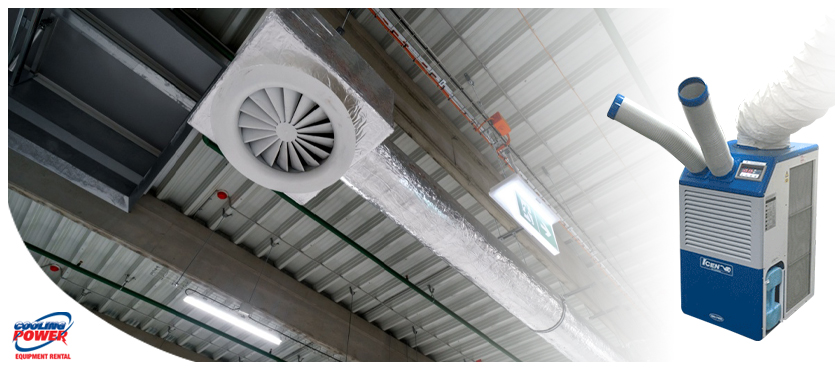
Temporary cooling solutions provide a fast and effective response when permanent systems fail. Portable air conditioners, chillers, and air handlers can be deployed quickly to stabilize temperatures and restore safe working conditions. These systems are designed for rapid installation, allowing facilities to respond immediately without waiting for permanent repairs.
One of the key advantages of temporary cooling is flexibility. Equipment can be positioned exactly where it is needed, whether that is cooling a specific machine, an entire production area, or a sensitive control room. This targeted approach helps reduce heat in critical zones while maintaining overall operational stability.
Temporary cooling systems also help relieve stress on partially functioning HVAC systems. If a system has not completely failed but is underperforming, supplemental cooling can prevent further damage while repairs are underway.
Maintaining Operations During Repairs
Repairing or replacing an industrial cooling system can take time. During this period, facilities still need to operate. Temporary cooling allows businesses to continue production while permanent systems are being fixed.
By maintaining stable temperatures, temporary solutions help protect equipment, preserve product quality, and ensure that employees can continue working safely. This minimizes downtime and reduces the overall impact of the failure on business operations.
Preparing for Future Cooling Failures
Cooling system failures are not always predictable, but businesses can reduce their impact by planning ahead. Having a contingency plan that includes access to temporary cooling equipment ensures a faster response when issues arise.
Facilities that prepare for emergencies are better equipped to handle unexpected disruptions. With the right strategy in place, they can maintain continuity, protect their assets, and recover more quickly from system failures.
Staying Operational When Cooling Systems Fail
Industrial cooling system failures can create serious challenges, from equipment damage and safety risks to costly production delays. Acting quickly is essential to prevent small issues from becoming major disruptions. Temporary cooling solutions provide a reliable way to stabilize conditions, protect critical systems, and maintain operations during unexpected failures.
Cooling Power Corp provides temporary cooling solutions designed to support industrial facilities during system failures, maintenance, and high-demand periods. To learn more about how to keep your operations running when cooling systems fail, contact our team here.