
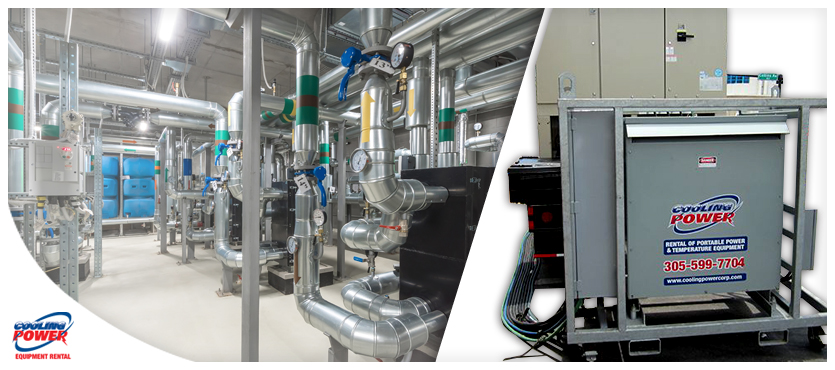
Temporary power can be essential for keeping an industrial facility operational during outages, planned maintenance, facility upgrades, construction projects, or other situations where permanent electrical systems are unavailable. However, providing reliable temporary power involves more than simply bringing a generator to the property. The equipment must be properly sized, positioned, and integrated with the facility’s electrical requirements.
Planning ahead allows facility managers to identify critical loads, determine equipment requirements, and prepare for potential challenges before temporary power is needed. A well-designed strategy can help minimize downtime, protect equipment, and maintain safe operations throughout the temporary power period.
Identify the Facility’s Critical Power Needs
The first step is determining which systems must remain operational. During a temporary power situation, it may not be necessary or practical to supply electricity to every part of the facility.
Critical loads can include production machinery, HVAC equipment, refrigeration, lighting, security systems, servers, communication equipment, pumps, and control systems. The priorities will vary depending on the type of facility and its operations.
Identifying these systems in advance makes it easier to determine how much temporary power is required and where that power needs to be distributed.
Calculate the Required Power Capacity
Proper generator sizing is an important part of temporary power planning. A generator that is too small may not reliably support the required load, while unnecessary excess capacity may increase rental and operating costs.
Facility managers should consider both normal operating demand and the additional power required when certain equipment starts. Motors, compressors, pumps, and other machinery can require significantly more electricity during startup than during normal operation.
A detailed assessment of the equipment being supported can help determine the appropriate generator capacity and reduce the risk of overloads or unexpected shutdowns.
Consider Power Distribution Requirements
Generating electricity is only one part of the temporary power process. That electricity also needs to reach equipment safely throughout the facility.
Depending on the application, temporary power setups may require transformers, distribution panels, cables, and other electrical equipment. Larger industrial facilities may have critical loads located across several buildings or production areas, making distribution planning particularly important.
Understanding where temporary equipment will connect to the facility and how power will reach each critical system can help simplify installation when the equipment arrives.
Choose the Right Equipment Location
Generator placement requires careful consideration. Temporary power equipment needs sufficient space for safe installation, operation, ventilation, fueling, and maintenance access.
Facility managers should identify potential staging areas before an emergency occurs. The selected location should allow equipment to be delivered and positioned without interfering with normal operations, employee access, or emergency routes.
Cable distances should also be considered. Positioning equipment closer to appropriate connection points can simplify installation and reduce the amount of temporary cabling required throughout the property.
Plan for Fuel and Runtime
The amount of time temporary power may be needed is another important consideration. A short planned shutdown may require generator support for only several hours, while an outage caused by severe weather could continue for days.
Facilities should understand expected fuel consumption and establish a plan for refueling if extended operation becomes necessary. Fuel accessibility can become particularly important during widespread emergencies when roads, suppliers, and normal delivery schedules may be disrupted.
Planning for longer operation provides additional flexibility if an outage lasts longer than originally expected.
Prepare for Planned and Unexpected Events
Temporary power is useful for more than emergency outages. Industrial facilities may require supplemental power during electrical upgrades, equipment installations, facility expansions, planned maintenance, or utility work.
When an interruption is scheduled, temporary equipment can often be installed and tested before permanent power is disconnected. This provides a smoother transition and helps minimize interruptions to production.
Unexpected failures require a faster response. Having power requirements, connection information, and equipment priorities documented beforehand can make it much easier to arrange an appropriate temporary solution quickly.
Consider Additional Facility Requirements
A loss of utility power can affect more than production equipment. HVAC systems, cooling equipment, ventilation, and other supporting infrastructure may also require electricity to maintain safe operating conditions.
For example, restoring power to manufacturing equipment without supporting the systems responsible for controlling heat could create additional problems. Facility managers should therefore consider how critical systems interact rather than evaluating each electrical load independently.
Looking at the facility as a complete system helps ensure that temporary power supports the infrastructure necessary to keep operations functioning safely.
Develop a Temporary Power Plan Before It Is Needed
Waiting until an outage occurs to determine generator size, connection points, and distribution requirements can increase downtime. Developing a temporary power plan in advance allows facility teams to document important information and respond more efficiently when a disruption occurs.
The plan should be reviewed periodically as equipment, production requirements, and facility infrastructure change. Keeping this information current ensures that the temporary power strategy continues to reflect actual operational needs.
Planning for Reliable Temporary Power
Temporary power can help industrial facilities maintain critical operations during outages, maintenance projects, infrastructure upgrades, and other disruptions. Proper planning helps ensure the equipment provided is appropriate for the facility and can be deployed efficiently when needed.
Cooling Power Corp provides temporary generators and power equipment for industrial and commercial applications. Whether preparing for a planned electrical shutdown or developing an emergency power strategy, contact Cooling Power Corp to discuss temporary power requirements for your facility.