
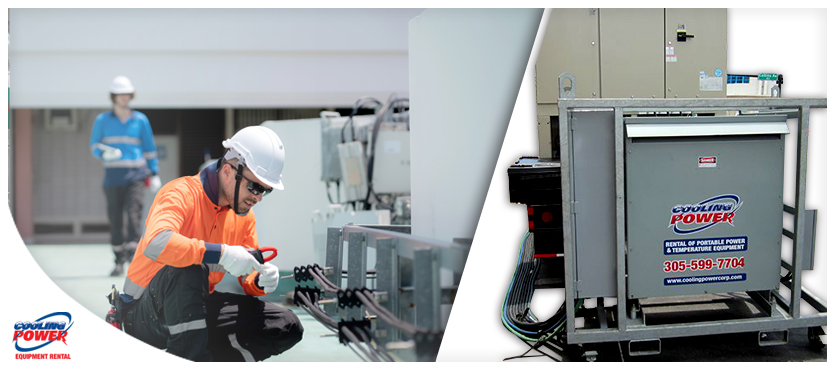
Electrical system upgrades are an important part of maintaining and improving industrial and commercial facilities. Aging infrastructure may need to be replaced, additional capacity may be required for new equipment, or a facility may need electrical modifications as part of an expansion or renovation. While these projects can improve long-term reliability and performance, they can also require portions of the existing electrical system to be taken offline.
For facilities that depend on continuous operations, even a planned interruption can create significant challenges. Temporary power provides a way to support critical equipment and essential building systems while permanent electrical infrastructure is being upgraded.
Why Electrical Upgrades May Require Power Interruptions
Electrical upgrades can involve work on panels, transformers, switchgear, distribution systems, wiring, and other components responsible for delivering electricity throughout a facility. Depending on the scope of the project, contractors may need to disconnect power to specific areas or larger sections of the building.
These interruptions are necessary to allow work to be completed safely, but they can affect production equipment, lighting, HVAC systems, computers, security systems, and other essential infrastructure.
Without an alternative power source, businesses may have to reduce operations or temporarily shut down until permanent service is restored.
Keeping Critical Operations Running
Temporary generators can supply electricity to selected equipment while the primary electrical system is unavailable. Instead of attempting to power the entire facility, businesses can prioritize systems that are most important to continued operations.
A manufacturing facility, for example, may need to maintain certain production lines, control systems, ventilation equipment, or cooling systems. A warehouse may prioritize lighting, communications, security, and material-handling equipment.
Determining these priorities before electrical work begins allows temporary power resources to be directed where they provide the greatest operational benefit.
Reducing the Impact of Planned Downtime
Scheduled electrical upgrades provide an opportunity to prepare before permanent power is interrupted. Temporary generators and related distribution equipment can often be positioned before work begins so critical systems can transition to an alternate source.
This can significantly reduce the disruption associated with the project. Employees may be able to continue working, essential equipment can remain operational, and businesses can maintain important processes while contractors complete the upgrade.
Careful planning can also help prevent an electrical project from creating additional delays elsewhere in the facility.
Supporting HVAC and Climate Control Systems
Electrical interruptions can affect more than machinery and lighting. HVAC equipment often depends on the same electrical infrastructure being serviced during an upgrade.
Losing climate control can quickly become a problem in industrial facilities, particularly during hot weather or in areas containing heat-generating equipment. Temperature-sensitive inventory, electronics, production machinery, and employee workspaces may all require continued cooling.
Temporary power can help support critical HVAC and cooling equipment during electrical upgrades, allowing facilities to maintain more stable environmental conditions throughout the project.
Providing Power for Different Areas of the Facility
Larger electrical projects may affect multiple sections of a building at different times. Temporary power equipment can provide flexibility as work progresses from one area to another.
Generators can be paired with appropriate transformers, distribution panels, and cabling to deliver electricity where it is needed. As different sections of the permanent electrical system return to service, temporary equipment can be adjusted to support the remaining work.
This flexibility is particularly valuable during phased renovations and expansions where the facility needs to remain operational throughout construction.
Preparing for Unexpected Project Delays
Even carefully scheduled electrical upgrades do not always proceed exactly according to plan. Contractors may discover additional issues once work begins, replacement components may take longer to install, or testing may identify problems that need to be corrected before permanent power can be restored.
If temporary power is already part of the project plan, an unexpected delay does not necessarily mean an immediate operational shutdown. Critical systems can continue running while the electrical work is completed.
This additional flexibility can help facilities avoid rushed decisions and give contractors the time necessary to complete upgrades properly.
Planning Temporary Power Requirements in Advance
Temporary power is most effective when its requirements are identified before an electrical upgrade begins. Facility managers should work with contractors and equipment providers to determine which systems need to remain operational, how much power they require, and where temporary equipment can be safely positioned.
Connection points, generator capacity, power distribution, cable routing, fuel requirements, and expected runtime should all be considered. The startup requirements of motors, compressors, pumps, and other equipment may also affect generator sizing.
Planning these details ahead of time helps make the transition to temporary power more efficient when permanent electrical service is disconnected.
Maintaining Productivity During Infrastructure Improvements
Electrical upgrades are investments in a facility’s future, but completing them should not create unnecessary disruption to current operations. Temporary power can provide the bridge between existing and upgraded electrical infrastructure, helping businesses maintain essential systems while work is underway.
Cooling Power Corp provides temporary generators and power equipment for industrial and commercial facilities undergoing electrical upgrades, renovations, expansions, and planned maintenance. To prepare for an upcoming electrical project and minimize interruptions to critical operations, contact Cooling Power Corp.